Resources
In 2025, Therapy Matters celebrated 30 amazing years of impactful speech therapy services and we invited the community to become part of a Communication Matters initiative. An opportunity to learn and grow alongside us in our mission to empower children and families through better communication across Australia.
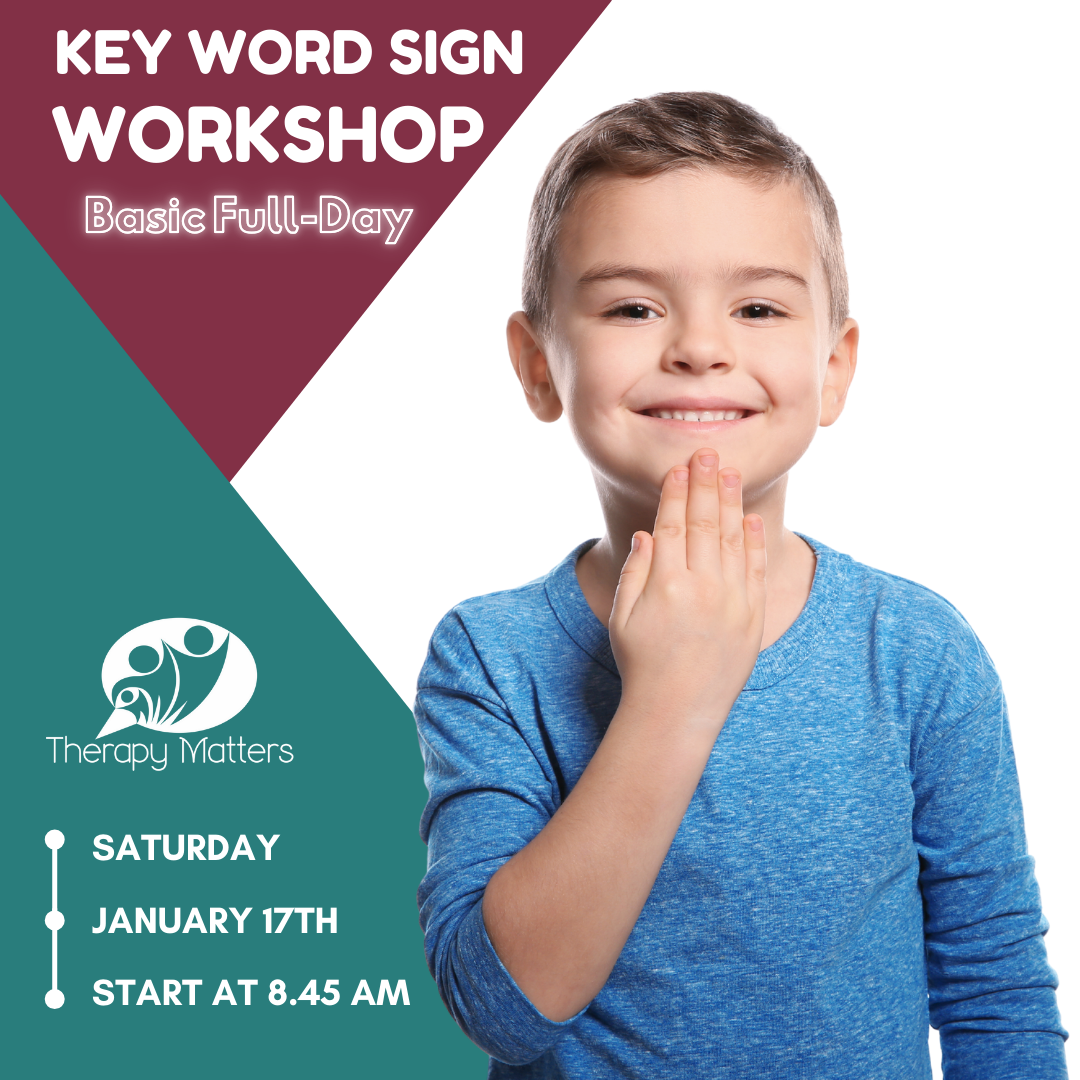
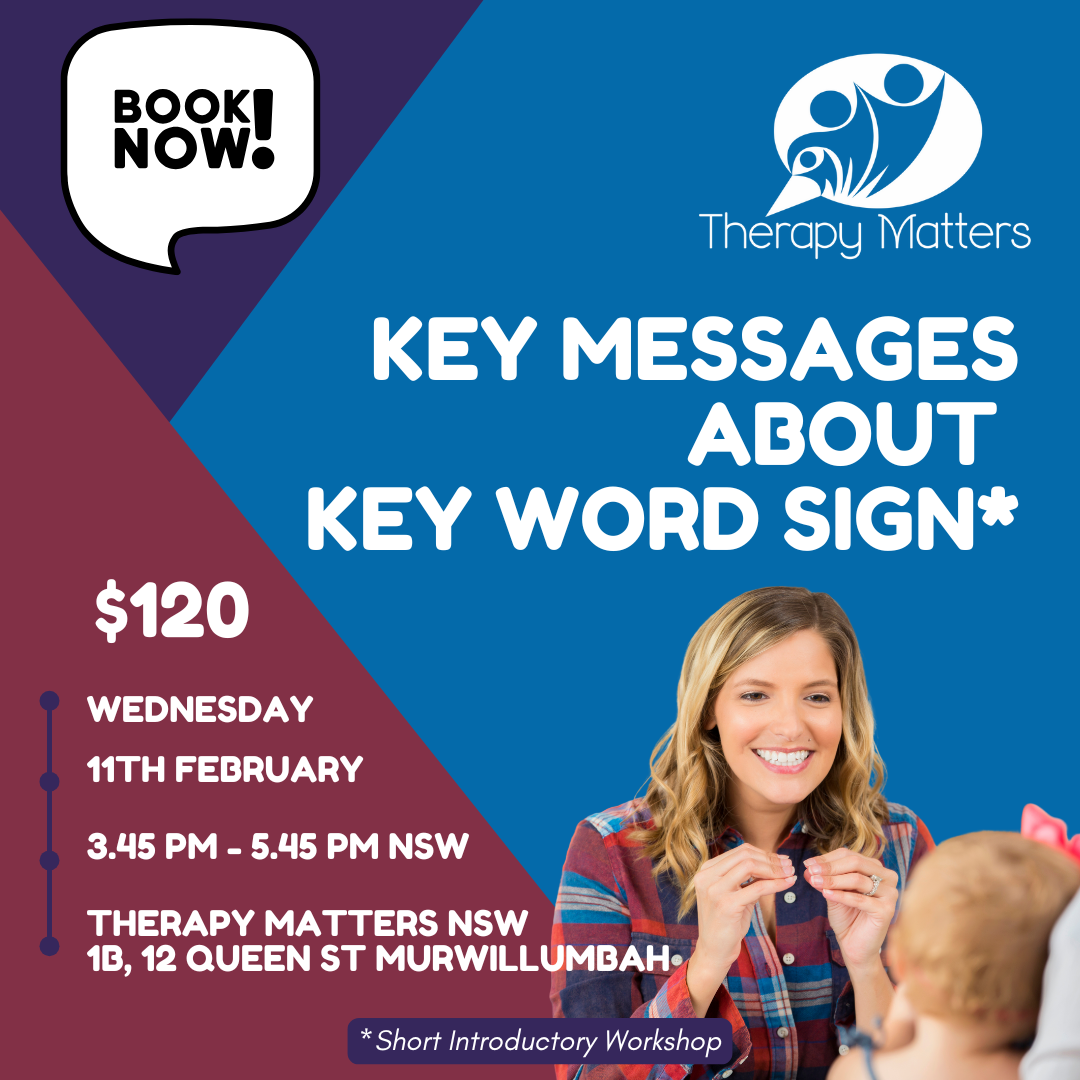
We created and have kept adding to blogs, newsletters, free resources to support your child at home, and stay updated on upcoming events and workshops at our Gold Coast and Murwillumbah clinics. Helpful tools and resources designed by our speech pathologists to help build your child’s communication skills. Practical parent education sessions and workshops for the community. Our most popular community workshops are our Key Word Sign Workshops designed to ensure that our local community is supportive and valuing of people that communicate through the us of key word signs.
Please fill out the form below to join our community and be kept update on our latest resources, workshops, events and blogs. Together, let’s continue making a difference!


NEW Workshops & Blogs
Resources for You
Tip sheets, screeners, learning topics and checklists


Learn some Key Word Signs
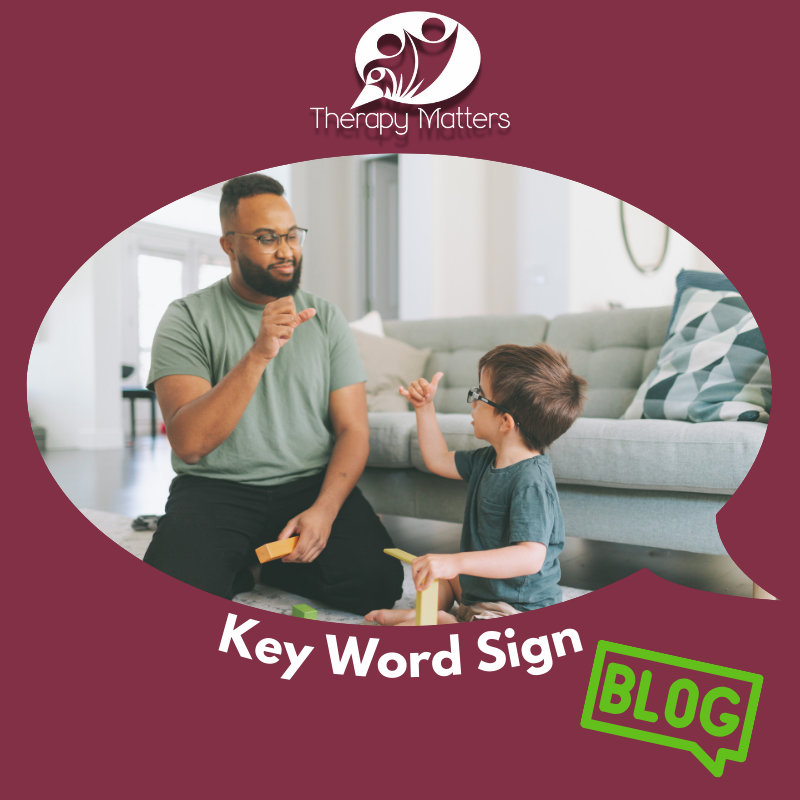
- Key Word Sign is a strategy to support people with communication difficulties understand and share their messages with others. Signs are added to key spoken words in a message. Signs are borrowed from Auslan. Therapy Matters runs workshops in Key Word Sign each term.
- Boogie to our Therapy Matters 30th Anniversary Song & learn signs to go with the lyrics. Learn signs for make, difference & time. Have fun & follow along with a video by clicking here.

Preschooler Speech Check
- Use this tool to see if your preschooler needs to see a speech pathologist for unclear speech.
- Print the resource and have your preschooler name the pictures for their age and younger
- Tick the sounds they can say and cross the ones they can.
- See how your child’s pattern matches with what is expected for their age.
- If any letters crossed are at their age level or younger, consider referral to a speech pathologist particularly if others can’t understand your child. As a guide, an unfamiliar listener should be able to understand: your 3-year-old 75% of the time and your 4-year-old 100% of the time.


Understanding Neurodivergent Friends
- Your child maybe seeking to understand a friend in their class who is neurodivergent. To help them better understand and support their peer, focus on explaining that everyone’s brain works differently and that’s okay. Emphasize that differences in how people learn, communicate or behave don’t make them less worthy or able. Encourage empathy, patience, curiosity and understanding. Invite them to look for strengths and areas of expertise in their peers.
- This helpful tip sheet aims to build neurodiverse affirming, inclusive spaces where everyone is understood, supported and valued.
